Unsettled sleep: the hidden link to your environment
Hi everyone, it’s Amilie. Disrupted sleep can be caused by your environment: start by reducing nighttime noise and light, then adjust the bedroom temperature. These simple changes can help your body get back on track. If the difficulties persist or affect your days, a healthcare professional can look for other causes.
Do this now:
- Turn down the volume and move noisy devices away from your bed.
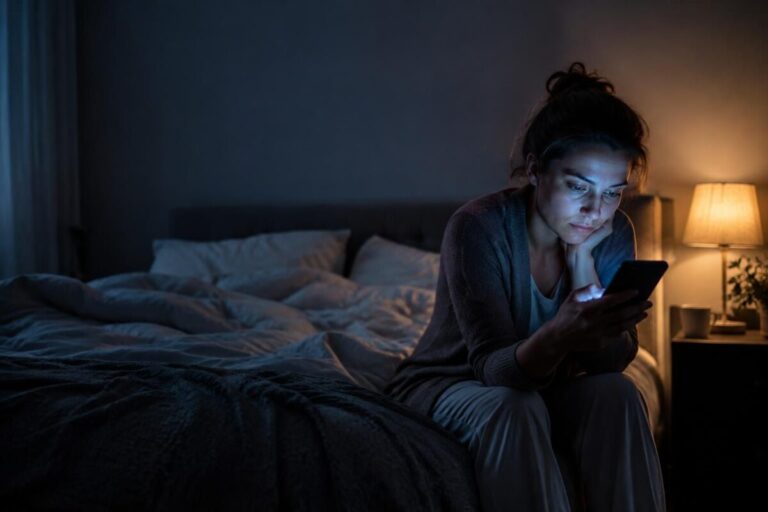
- Darken the bedroom and turn off screens before going to sleep.
- Air out the room and make sure it isn’t too warm.
- Check that your bedding is comfortable and suitable for you.
- Keep your bedtimes and wake-up times as regular as possible.
Sleep responds to the signals around it: noise, brightness, air quality, and habits can sometimes affect both falling asleep and waking during the night. To better understand this connection, see these resources on the sleep environment and the tips in this practical guide.
Disrupted sleep: when your environment disturbs your nights
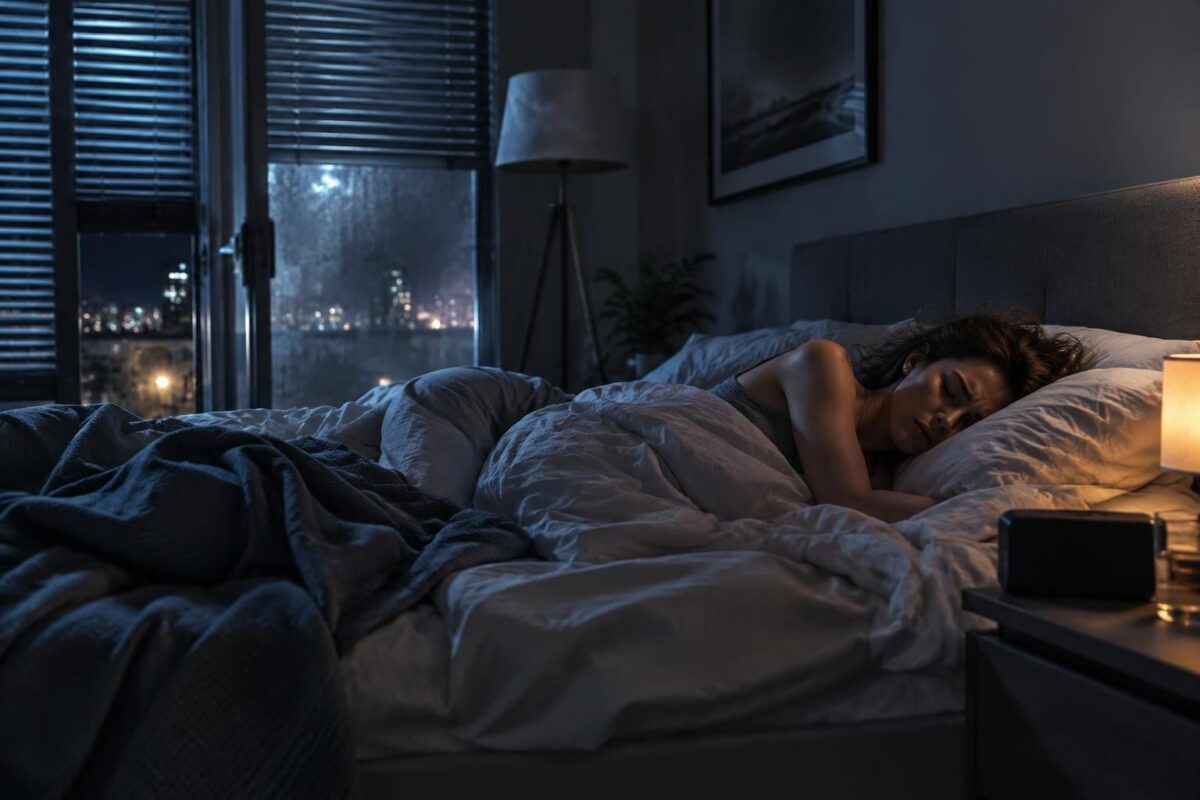
Noise from a street, neighbors, or a household appliance can fragment your sleep without fully waking you. Your body remains sensitive to these sounds: noise pollution can make your sleep lighter and lead to awakenings.
Light matters too. Screens and bright lighting in the evening can shift your circadian rhythm, the internal clock that helps regulate the alternation between wakefulness and sleep. A dark bedroom and softer lighting as bedtime approaches provide more favorable cues.
Three factors to check in your bedroom
| Factor | Possible effect | Simple action |
|---|---|---|
| Nighttime noise | Awakenings or lighter sleep | Move noise sources farther away, close the window, or try comfortable earplugs. |
| Brightness | Delayed sleep onset | Turn off screens and reduce the lighting before bed. |
| Bedroom temperature | Discomfort and less continuous sleep | Air out the room and adjust your blankets to the season. |
| Air quality | Discomfort that can interfere with rest | Air out the room regularly and limit sources of smoke or dust. |
Your body temperature naturally drops around the time you fall asleep. A room that is too warm can therefore make it harder to rest. Air quality also deserves attention: airing out the room is a simple step, while an air purifier may be worth considering depending on your home and needs.
Addressing environmental stress without changing everything
Noise and light aren’t the only possible causes of disrupted sleep. Stress, a change in schedule, caffeine, or certain medications can also play a role. Pain, loud snoring, or pauses in breathing also warrant medical advice.
“One small change repeated is better than spending the night trying to control everything.” This idea can help prevent bedtime from becoming a struggle. If you constantly watch the clock or spend a long time in bed fighting wakefulness, your bed may end up reminding you of frustration rather than rest.
A simple example: Lina thought her awakenings were caused solely by stress. After turning off the living room television and darkening her bedroom, she noticed that her nights seemed less restless.
If noise is what mainly wakes you, first try hearing protection or better sound insulation. If you wake up even when it’s quiet, also look at your schedule, stress level, and health.
A three-step method to stabilize your nights
- Identify what changes over a few days: noise, light, heat, awakenings, and schedule. Simply note the patterns without trying to measure every minute of sleep.
- Adjust just one thing at a time. For example, darken the room or air it out before bed, then see whether that improves your comfort.
- Consult a healthcare professional if the problems persist, get worse, or affect your days. Don’t stop a treatment without talking to the professional overseeing your care.
When to seek advice about disrupted sleep
A brief episode linked to a stressful event may improve when the situation settles down. But ongoing difficulties, significant sleepiness, or awakenings accompanied by unusual symptoms are reasons to talk with a healthcare professional.
Uncomfortable bedding, irregular schedules, and certain medications can also play a role. Looking for a single explanation isn’t always helpful: several factors may combine. Start by making your bedroom more conducive to rest, while keeping in mind that your environment doesn’t explain every sleep problem.
Can nighttime noise disturb sleep without fully waking me?
Yes. Some sounds can make sleep lighter or fragment it without causing an awakening you remember. Reducing avoidable noise can improve nighttime comfort.
What temperature should I set the bedroom to?
There is no single ideal temperature for everyone. Aim for a room that is fairly cool and comfortable, then adjust ventilation and blankets according to the season and your sensitivity.
Can screens shift my sleep schedule?
Exposure to light in the evening can interfere with the cues of your internal clock. Reducing brightness and putting screens away before bed may help some people.
When should I seek advice about restless nights?
Seek advice if the problems persist, interfere with your activities, or are accompanied by loud snoring, pauses in breathing, pain, or severe daytime sleepiness.
Thanks for your interest; Amilie