Sleep and palpitations: when should you really worry?
Hi everyone, it’s Amilie. If nighttime palpitations are accompanied by chest pain, feeling faint or significant shortness of breath, call emergency services. Otherwise, note how long they last and the circumstances, then seek medical advice if they recur or worry you. Stress, caffeine and waking during the night can play a role, but a new symptom deserves attention.
Do this right away:
- Sit down and breathe slowly, without trying to control every heartbeat.
- Note the time, duration and what you were doing before the episode.
- Notice whether your heartbeat feels regular or irregular.
- Avoid coffee, strong tea, nicotine and energy drinks in the evening.
- If you have pain, feel faint or have difficulty breathing, call emergency services.
To better understand palpitations during sleep, you can read these guides on a pounding heart at night and on what to do when you have palpitations.
Nighttime palpitations: signs that call for action
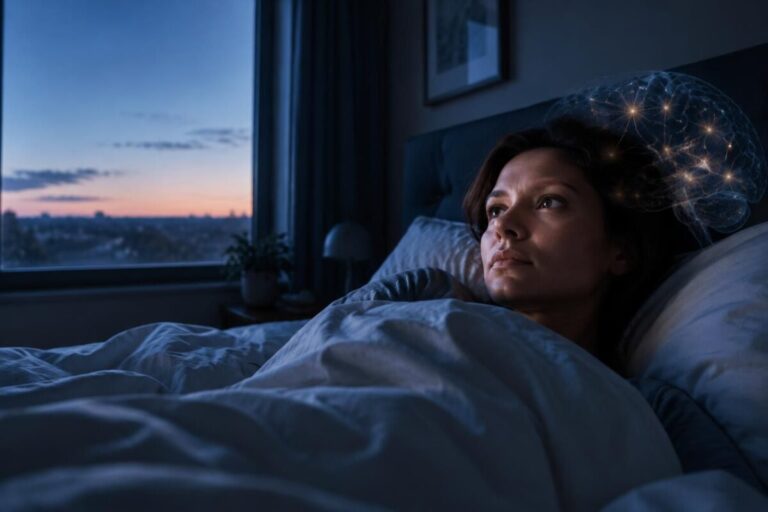
A feeling that your heart is pounding or racing can occur after an intense dream, a period of stress or consuming stimulants. It is sometimes temporary, but the circumstances and accompanying symptoms matter more than the sensation alone.
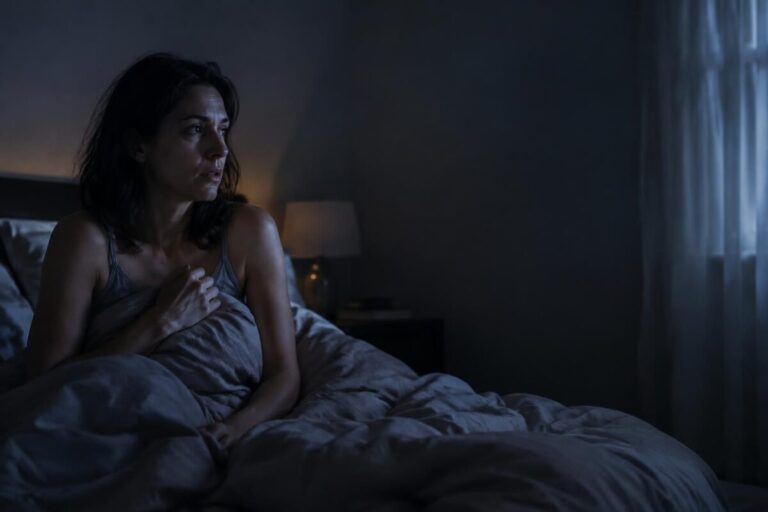
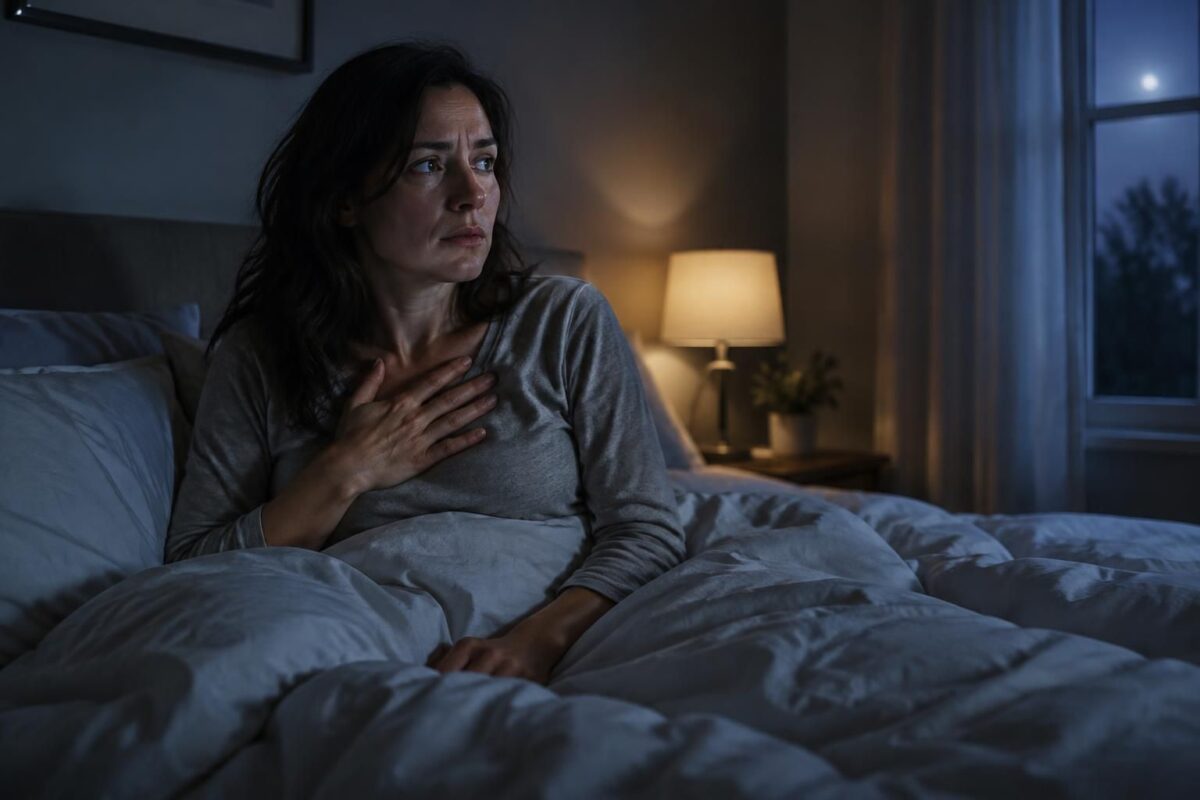
A cardiac emergency is possible if palpitations are accompanied by pain or tightness in your chest, fainting, feeling very unwell or significant shortness of breath. In that case, don’t wait to see if it passes: call emergency services.
If it is a brief episode with no other symptoms that goes away, make a note of it and monitor how it develops. If it recurs, lasts, gets worse or happens during physical activity, make an appointment for a medical consultation.
Sleep and palpitations: understanding what may trigger them
At night, the quiet can sometimes make your heartbeat more noticeable. Anxiety, lack of sleep, alcohol, nicotine, caffeine or certain medications can also contribute to this sensation. By itself, this does not mean you have a heart condition.
Repeated nighttime awakenings, noticed pauses in breathing during sleep or unusual fatigue are worth mentioning to a healthcare professional. They can help guide questions and tests, but do not automatically mean there is a heart problem.
A simple example: after several short nights and late coffees, someone notices stronger heartbeats when going to bed. By keeping track of the episodes, they spot a link with their habits and can discuss it with their doctor in detail.
“The context helps you understand what’s going on, but it doesn’t replace medical advice.” This is a useful reminder when fear makes you look for an immediate explanation.
How to keep track of your palpitations before an appointment
Keep a record of the episodes: do they start suddenly or gradually? How long do they last? Does your heartbeat seem regular? Do they happen at rest, after physical activity or after waking up? Also note any accompanying symptoms and the circumstances, such as a period of anxiety or starting a new medication.
| What to observe | What to note | Why it’s useful |
|---|---|---|
| Duration and frequency | A few seconds, several minutes, rare or repeated episodes | Helps describe how things are changing to your doctor |
| Circumstances | Rest, physical activity, stress, caffeine or waking during the night | Helps identify related factors |
| Other symptoms | Pain, dizziness, shortness of breath or feeling faint | Helps determine how urgent it is |
| Medications and measurements | New medication, recent discontinuation, pulse if available | Provides information to review with a healthcare professional |
A blood pressure monitor or smartwatch may provide a useful measurement, or even a short ECG recording, depending on the model. These devices cannot diagnose a condition: never delay seeking help in order to get a reading.
When to seek a medical consultation
Talk to your doctor if the episodes happen often, last longer, change or worry you. It is also important to seek advice if you have a history of heart problems, risk factors such as high blood pressure or diabetes, or if the palpitations started after a medication change.
A resting heart rate above 100 beats per minute, when you have not been exercising, have a fever or are having a panic attack, is a reason to seek advice if it persists. Do not change or stop any medication without consulting your doctor or pharmacist.
Three steps to take without panicking
- Step 1: check for any warning symptoms. Chest pain, feeling faint or significant shortness of breath: call emergency services.
- Step 2: if you feel stable, note the time, duration, circumstances and any accompanying symptoms.
- Step 3: if the episodes recur or worry you, make an appointment and bring your notes and a list of your medications.
Evening habits and heart health
Simple changes can help when habits contribute to palpitations: reduce caffeine late in the day, avoid nicotine, limit alcohol and establish a regular sleep schedule. Appropriate physical activity and breathing exercises can also support stress management.
If anxiety or sleep difficulties persist, ask for help rather than dealing with your worries alone. You can also protect your heart health by reporting symptoms and seeking appropriate support.
Frequently asked questions about sleep and palpitations
Are palpitations when falling asleep always serious?
No. They may be related to stress, stimulants or being more aware of your heartbeat when things are quiet. If they recur, get worse or are accompanied by warning symptoms, seek medical advice.
What should I do if I wake up with my heart beating fast?
Sit down, check whether you have pain, feel faint or have significant shortness of breath, then note the duration and circumstances. Call emergency services if there are serious symptoms; otherwise, talk to your doctor if it happens again.
Can a smartwatch detect a heart rhythm disorder?
Some models can record an ECG or flag an irregularity, but these results do not replace a medical diagnosis. Show the recordings to a healthcare professional and do not delay calling emergency services in an emergency.
Should I stop taking a medication that seems to be causing palpitations?
No, not without medical advice. Consult your doctor or pharmacist and tell them the name of the medication and when the palpitations started.
Thank you for your interest; Amilie